In fact, rock processing is the removal of a specific mineral from ore through physical or chemical processes. This method is primarily used to shape stone for use in construction and commercial applications, but it can also be used to create art, jewelry, and other decorative items. Stone processing can be done using traditional techniques or more modern technology. Regardless of the approach, proper material processing is essential to produce results of the desired quality. In this article from Iran Basalt, we examine the types of stone processing, explain their differences and examine what steps are necessary for building stone processing.

Building stone processing

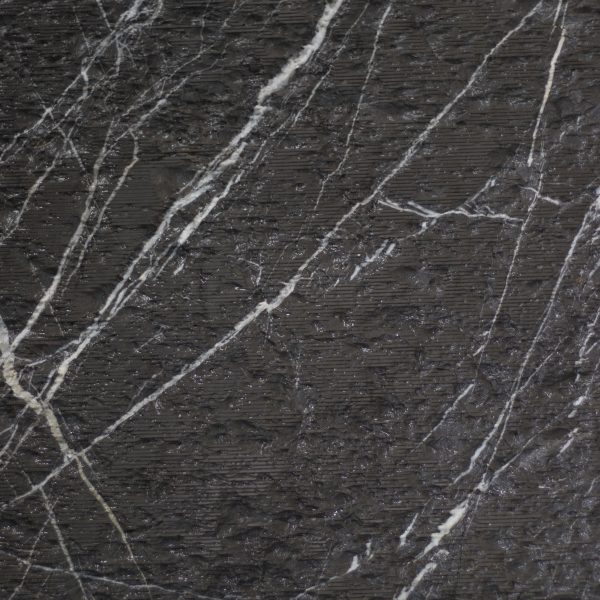
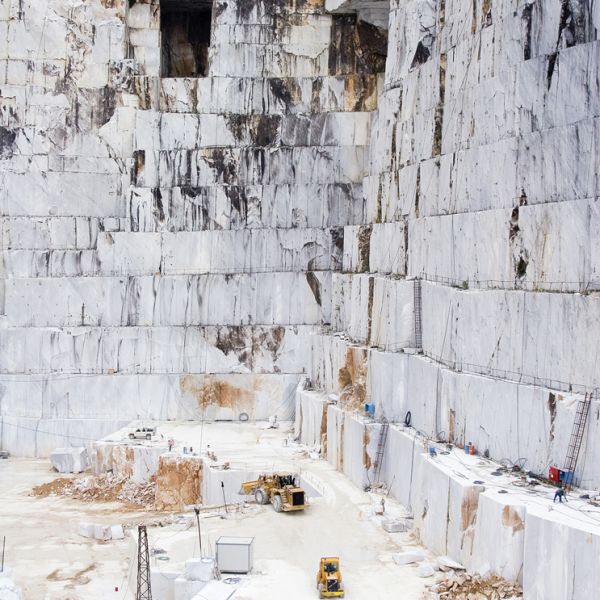
Rock processing is a set of methods used to remove minerals from ores extracted from the ground. The process involves breaking large pieces of material into smaller pieces called blocks and then splitting or grinding them until they are small enough to be used. The stones can then be cut into a variety of shapes and sizes depending on the intended purpose. These cuts can include the cutting of precious decorative stones in making jewelry, statues or sculptures with all the details. In stone processing, controlling factors such as temperature, pressure, and humidity can help reduce the possible risks of stone processing steps. Stone processing on facade stones such as Natanz black granite can have a great effect.

Types of stone processing

With the advancement of technology over time, the processes of stone processing from completely manual methods and working with basic tools to mechanized, industrial methods and the use of advanced machines, robotic arms, and 3D printing capabilities have changed significantly. Among these methods, the following can be mentioned:

-Carving: This manual method involves cutting large pieces of stone to create a sculpture or design using hand tools such as hammers.
-Sawing: Specialized saws equipped with diamond blades are used to cut predetermined shapes.
-Casting: This method involves pouring molten metal into pre-made molds to take the desired shape.
-Laser engraving: In this method, very sharp lasers are used, which precisely engrave complex designs on certain stones.
-3D scanning: with this method, very accurate digital models are produced that can be run on any type of stone through software before 3D printing.
-CNC Milling: This method uses computer-controlled machines that quickly remove material while producing highly accurate results.
-Robotics: Robotic arms take a lot of the guesswork out of it; Because they are pre-programmed with specific instructions on how to process each piece.

Steps of stone processing

No matter what technique is used in stone processing, there are several common steps required for any project, regardless of whether manual methods or advanced mechanized methods are used in stone processing.

-Preparation: At this stage the surface of the stone must be completely cleaned, otherwise it may be difficult to extract its material later.
-Stone cutting: Stones are usually extracted in large and asymmetrical sizes, and it is necessary to cut them into pieces at the beginning of processing.

1. Cutting by saw: soft saw is used for parallel cuts by diamond blades for soft stones like limestone and hard saw is used for cutting harder stones like granite and has steel and cast iron blades.

2. Cutting by cutter: This cutting is done by discs with diamond blades and creates equal and parallel cuts. These discs are available in various sizes and can be used according to the type of stone. This method is also recommended for cutting basalt stone.

3. Cutting by cutting wire: these devices differ in the number of wires and cutting methods. The remarkable thing is that they can be used for both soft and hard stones.

Strengthening the stone: Various methods can be used to increase the strength of the stone. One of these methods is resin nets that are attached to the back of the stone. In addition to the strength of the adhesion of the stone to the mortar, this work also increases. We can also use epoxy resin to fill the porosity and cracks of the stones and make them look more beautiful.
Polishing or sanding: The sanding machine performs the polishing operation with the same pressure on all stone surfaces. At this stage, you need to choose the appropriate bit of the saab machine based on the hardness and consistency of the stone being processed, the degree of hardness of the saabs is numbered and the higher the number used, the more polished the surface of the stone will be.
Edging: At the end, the edges of the stone should be polished and sharpened. The edge of the stones can be beveled, rounded or semi-rounded. This stage is mostly used for stones used in stairs, cabinet stone, etc.
Finishing: After the above steps, we will have an attractive appearance by adding acrylic protective varnish to the final product.